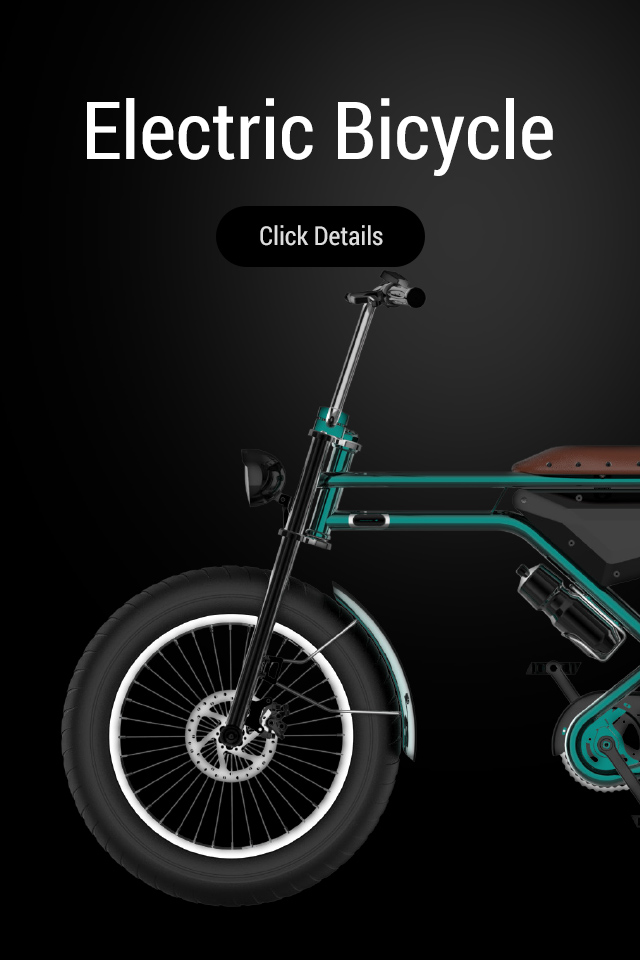
A distributor entering electric bicycles faces a fork in the road. Down one path sit established e-bike brands, offering products under their own names and on the terms they present. Down the other sits the OEM manufacturer: a factory that a distributor can ask to build electric bikes around a specification and a name the distributor states in the brief, on terms confirmed in writing for that programme. What margin structure, range control and responsibility either path would carry for a given programme are questions to establish from the specific offers and terms actually presented, not conclusions this guide states. What either path yields commercially depends on the programme's own numbers, not on the label of the path. Neither path is universally right. This guide compares them on the factors that actually decide a programme's profitability: margin structure, range control, documentation, after-sales and speed to market.
What buying a brand really buys
What a brand path offers a distributor is a set of items to check in the specific offer actually presented: whether product development is complete for the models offered, what specification the brand states for them, what packaging and imagery the offer includes, and what terms attach to each item. For a distributor whose strength is retail relationships rather than product management, an offer that covers those items may be worth its price — a judgement to make from the offer itself, not from a general description of brand supply. The questions on the cost side are equally concrete: what margin the presented terms would leave the distributor, what range the offer actually covers, and whether another distributor in an adjacent territory could be offered the same models — each a question to assess from the specific offers and terms actually presented. What, if anything, would differentiate one distributor's offer from another's in that situation is a question to assess from the specific offers and terms actually presented, not a conclusion this guide states.
Brand supply also concentrates risk. A brand that changes its model year strategy, exits a category or appoints a competing distributor can strand a season. None of this makes brands a bad choice. What control over the range, and what margin, a brand path would carry for a given programme are items to establish from the specific offer actually presented: ask who, under that offer, decides the models, specifications and range changes, and how the margin for the distributor is stated in its terms, and record each answer in writing against that offer, rather than assuming a structure for brand supply in general.
What an OEM programme really involves
An OEM relationship with a manufacturer such as this factory — which lists twenty-one electric bicycle references across its JB and JBS families and runs its own plastic injection, powder and liquid coating, metal welding and tooling workshops and its own PU wheel line — is a programme to define item by item in the brief and in the quotation. State in the brief the range items you are asking about — the price positions, specifications, product names and packaging you propose — and have each one confirmed in writing for that programme. On the economics, do not assume a division in advance: ask, for the specific programme, which items the quoted terms cover and which items — sampling time, specification decisions, documentation management and after-sales planning among them — would fall to the distributor to resource, and record each answer in writing. Whether the resulting structure leaves more or less than a brand path is an arithmetic question each distributor must run on its own volumes, from the terms actually confirmed for each path.
Those written confirmations are the ones to plan for explicitly. How a defective batch would be raised, and under whose terms, is one of the items to establish from the specific offer actually presented: ask, under that offer, who a defective batch is raised with and on what terms, and record the answer in writing against that offer, rather than assuming a structure for either path in general. The management work behind a programme — approved samples, written specifications and agreed inspection among it — raises the same kind of question: ask, for the specific programme, which of those items the terms offered cover and which the distributor would resource, and record each answer in writing. Treating OEM as "the same bikes, with my logo" skips those questions; whether they have been asked and answered in writing is a fact of the distributor's own programme file.
Documentation: the quiet deciding factor
Electric bikes cross borders with electrical systems and lithium batteries, which makes documentation a strategic variable rather than an administrative one. A brand's documentation package is assembled for the brand's own strategy; whether it matches a given distributor's market is a question to check against the package actually offered. An OEM programme builds the package around the distributor's actual destination — which means the distributor must know what their market requires and confirm, model by model, what the factory can support. This factory describes laboratory capabilities including UN 38.3 battery transport testing and frame and fork testing referencing ISO 4210-6, with the standing position that certificates are available upon request — the right starting point for a specific, written documentation conversation, never a substitute for one.
Combining the two paths in one range
A distributor may also consider a combined structure as an option to assess for its own range: for example, anchoring part of the range with one recognised brand, and building an OEM line beside it for price-rung coverage the brand does not offer and for terms the distributor sets itself, subject to what is agreed in writing with the factory. Whether the two lines can be planned together, rather than as separate programmes, is a term to raise and confirm in writing for the programme. Which side carries customer acquisition, and how specifications and customer knowledge are held between distributor and factory, are commercial terms to settle in writing for the programme — not outcomes this page assumes in advance.
A decision checklist
- If your organisation cannot yet resource sampling and specification work, start with brands and build the skill on smaller OEM categories first.
- If your market has an obvious price-rung gap no brand fills, that gap is the OEM programme's first product.
- If your retail partners demand exclusivity, ask what each path can actually offer and have it confirmed in writing; do not assume either path grants it.
- If speed matters more than margin this season, record that priority in the decision; if longer-term margin matters more, start OEM sampling now, in parallel, so the comparison rests on real quotations.
Whichever path you take, the factory conversation is the same at its core: models, specification, documentation, terms. This site's electric bike manufacturer overview and wholesale electric bikes page set out how those conversations run here.
The numbers: questions to put to either path
Without inventing figures — every programme's arithmetic is its own — this guide states no general structure for how the two paths divide cost or effort. The questions a distributor can put to either path are the same: what does the quoted price cover, and which items — sampling rounds, specification and documentation work, packaging work, marketing materials, and management time for the supply relationship — are included in the terms offered, and which would the distributor carry separately? The answers are facts of the specific offer and the specific programme, recorded from the quotations and terms actually presented. Which structure leaves more contribution at a given volume cannot be stated in general — it depends on the quotations actually offered and the programme costs actually incurred — which is why the honest first question is not "brand or OEM?" but "at my realistic volume, which structure leaves more contribution after all costs, including my own time?"
Run that calculation per category, not per company. A distributor might rationally resell a premium brand in electric bikes while running OEM programmes in scooters and accessories. The two paths are tools; the skill is knowing which drawer each category belongs in this season, and revisiting the decision as volumes change.
There is also a records argument to include in the comparison. The two paths generate different files. Reselling a brand generates records about the brand's fixed specification and the terms it was supplied on. Running an OEM programme generates records of the distributor's own specification decisions — the frame finish, wheel specification and packaging choices stated in the brief and confirmed in writing. What either file contains is a fact of the programme itself. Whether anything recorded under one programme would be relevant to another category is a question for the distributor to assess from its own files at the time, not a transfer this guide assumes.
In short: a brand supplies a finished product on the brand's terms; an OEM programme is built around the specification and terms the distributor states and has confirmed in writing. Choose per category, per season, with the arithmetic done honestly and the assumptions recorded.
Send model references, your target market and branding requirements — MOQ and lead time are confirmed per quotation in writing.
Request a Quotation