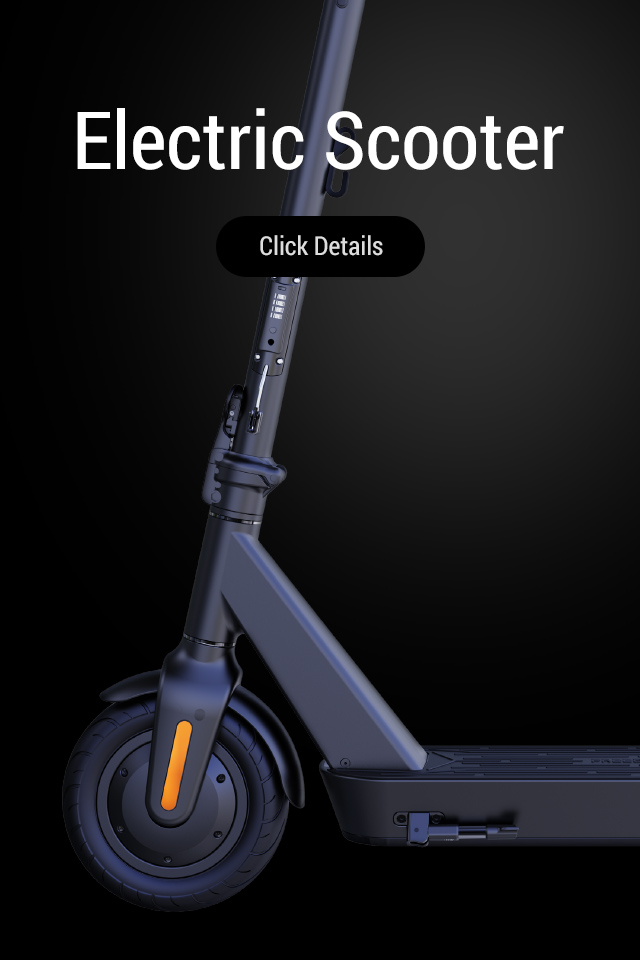
One catalogue carries both formats. Zhejiang Jinbang Sports Equipment Co., Ltd. lists 23 electric scooter references and 21 electric bicycle references, and a distributor planning an electric range will sooner or later ask which of the two lines — or what mix of them — the range should carry. What governs the comparison is a discipline, not a figure: no performance number belongs to a format as such, and every one of them — range, top speed, motor output, battery capacity, charging time, load rating — is a fact of the individual reference. Neither line publishes a per-model specification table, so every performance figure on either side of this comparison is a per-reference written confirmation.
The format difference, stated plainly
In trade usage the two names describe two riding formats. The electric scooter is a standing format: a deck, a stem and a throttle, ridden upright. The electric bicycle is a seated format built on a bicycle frame, with pedals in the specification and electric assistance alongside them. Those are naming-level distinctions — the common ground both formats are specified from — and they are where the general comparison honestly ends. Range, top speed, motor output, battery capacity, charging time and load rating are not format facts; they are reference facts. Whether a given reference folds, and its wheel size, frame format and battery position, are reference facts of the same kind. For these two lines, all of them are confirmed per reference in writing at quotation.
The questions that separate the programmes
Because the specification work is identical on both sides, the choice between the lines turns on questions only the buyer's own operation can answer. Which channel will sell the range — vehicle dealers, sports retail, online marketplaces — and which format does that channel have display, servicing and returns routines for? Does your servicing operation run bicycle-format routines, scooter-format routines, or both? What price architecture is the range being built to, and does it need one line or both to hold its steps? What does the parts plan look like on each side — the electric scooter parts page sets out the scooter-side discipline — and is it agreed with the first order rather than after it? Those questions are answered from your market, not from this page; the manufacturer's part is to confirm, per reference, the specification your chosen format requires.
Running both lines
Nothing in the catalogue forces a choice. A programme can carry electric scooters for one channel position and electric bicycles for another, raised in a single enquiry, with specifications, MOQ and lead time confirmed per reference on both sides. The wholesale electric scooters and wholesale electric bikes pages carry the bulk conversation for each line, the OEM electric scooters page covers brand programmes on the scooter side, and the strategy view of buying brands versus building an OEM programme is set out in the electric bike brands vs OEM manufacturers guide.
Ordering information
Send the formats and references you are weighing, your channel and target market to [email protected] to request a quotation. Specification, MOQ and lead time are confirmed per reference in writing on both lines. For documentation supporting your market: Certificates available upon request.
Send model references, your target market and branding requirements — MOQ and lead time are confirmed per quotation in writing.
Request a Quotation