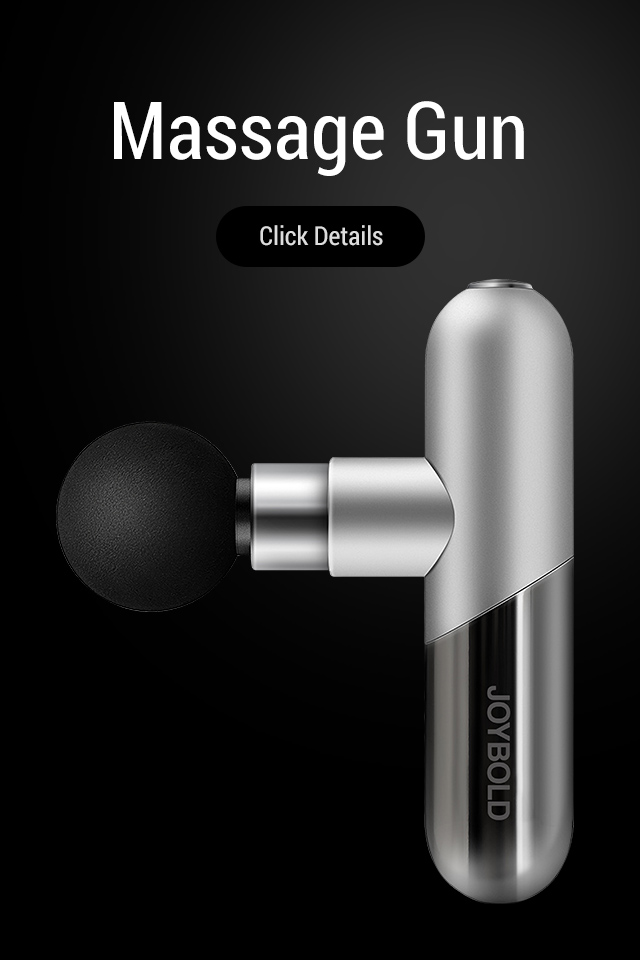
Private labelling a massage gun looks, from the outside, like a straightforward product launch: choose a device, apply a logo, print a box, sell. The sequence below is the preparation behind that outline. This guide walks the full sequence a private label programme follows, from catalogue selection to the documentation a later reorder discussion would need, using written specification and sampling discipline throughout.
Step one: select the model by channel, not by catalogue order
A massage gun catalogue offered by a supplier — the catalogue offered here lists more than thirty-five JB references, spanning the JB8001 family, the JB80xx series, the JB85xx series and the JB88xx series — is a menu of positions, not a ranking. Which model is right for a programme is a question to answer against the requirements the buyer states for the channel it will live in. Write your channel's requirements first — the percussion feel, head assortment, presentation, case and packaging requirements your programme needs, as you state them — then shortlist two or three references that could meet them. Writing the channel requirements first gives the shortlist a stated basis in the programme file; whether a shortlisted reference meets those requirements is settled on samples, model by model.
Step two: let samples make the decision
Massage guns can be assessed in the hand on items such as noise under load, vibration through the handle, button logic, charging behaviour and case quality. Those items can also be stated, item by item, in a written specification and in sample test notes: record for each shortlisted model the requirement you stated, the sample result you observed, and the specification confirmed in writing. Sampling is therefore a step to carry out before any production specification is fixed, not a formality to skip. Order the shortlist, test each device against your written requirements, and keep notes against those requirements, so the selection rests on the recorded sample results for each model.
Sampling is also where the specification gets frozen. Stall-feel, included heads, case format, cable and charging arrangement, and the exact colour and finish of the housing should all be agreed on the approved sample, and recorded in the programme file so that any later production discussion can be referenced against it.
Step three: branding as a production specification
Private label branding is a production specification, not a design file. Logo placement and method on the device and the case, housing colour, and any printed elements must be chosen from the methods confirmed for the chosen model — here, the colour and finish methods available for that model are confirmed on the physical sample at sampling. Approve branding on a physical pre-production sample, in the real materials, under ordinary light. A logo that looks perfect on a render can sit badly on a curved housing; the physical sample is the check to use.
Step four: packaging as part of the product
In this category, packaging is part of the product specification. The case can be specified to serve as the programme's storage, transport and presentation object, and the outer carton's structure, print and protection are specification items to state deliberately: case structure and head layout, carton print and protection, instruction material in the language and tone of your market. This guide does not state what a given carton will achieve in retail or in a parcel network; those are questions the programme tests and records. E-commerce programmes should test the packaged product through a real parcel journey before launch, so any drop or vibration damage found can be discussed while the packaging specification is still open. Notably, the manufacturer's laboratory describes packaging testing referencing ISTA-1A among its capabilities, a useful vocabulary for exactly this conversation.
Step five: documentation, handled early
Rechargeable wellness devices travel by air and sell under electrical and battery expectations that vary by market. Raise documentation at selection stage, not at shipment: confirm which test reports support your chosen model for your destination, with the factory's standing position being that certificates are available upon request, confirmed per model and market. Battery transport testing in the UN 38.3 family will be part of that conversation for any air-freighted programme. Documentation timing belongs in the programme plan from this stage onward; no launch date should be assumed from the paperwork conversation alone.
Step six: document for a possible reorder before the launch
Whether a private label programme is reordered, and on what timing, is a market outcome and a programme term — not an outcome this guide assumes. Prepare for that discussion in advance by documenting the frozen specification — model reference, colours, logo method, case, carton, inserts — and by agreeing how the approved sample would be referenced if a repeat order is discussed, with the timing and terms of any repeat confirmed in writing at that point. A complete file gives such a discussion a written starting point rather than relying on memory.
The supplier's side of the bargain
What should a brand expect from the supplier in return? A catalogue with genuine depth to select from, candid answers about what each model is and is not — including which production processes stand behind it, confirmed in writing — and terms confirmed per programme — MOQ and lead time confirmed for your programme rather than taken from a generic list. That is the structure offered on this site's massage gun catalogue and wholesale massage guns pages. Bring the channel thinking and the sampling discipline, and the programme is documented as a product line of your own — with each production process for the chosen model confirmed in writing rather than assumed.
Points to address early, and the stage to address each
Three points are worth addressing early in a private label programme. The first is choosing the model on specification headlines — amplitude numbers and attachment counts — instead of on sampled feel in the hand; the earlier stage to address it is the sample order. The second is approving branding and packaging from screens and renders, discovering only at production that colours shifted and the case feels light; the earlier stage is the physical pre-production sample. The third is leaving documentation until the goods are ready, so a paperwork question is still open when shipment is being discussed; the earlier stage is the selection conversation, before the model is even frozen. Addressing each point at that earlier stage keeps it inside the specification conversation, which is why this guide is sequenced the way the programme should be.
One more decision deserves a sentence of its own: the instruction and content layer. Your market's language, your brand's tone and your channel's support model all live in the inserts and digital content that accompany the device. Treat them as part of the frozen specification and version them like the packaging, so later discussions about the inserts and content can refer to the same recorded version.
Build the programme file from day one: channel brief, sample notes, frozen specification, documentation record — a file stated completely enough for a successor to run the programme from the file rather than from memory.
Send model references, your target market and branding requirements — MOQ and lead time are confirmed per quotation in writing.
Request a Quotation