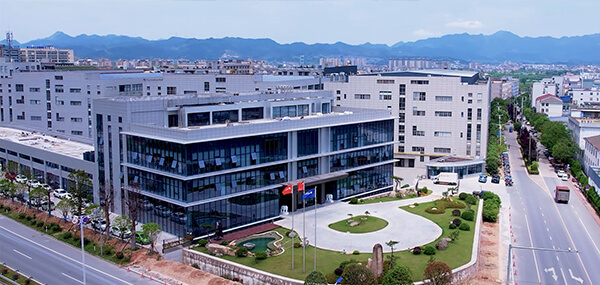
The platform record for Zhejiang Jinbang Sports Equipment Co., Ltd. states the offer in plain terms: the company provides OEM service. On the board side of the catalogue, that service sits on a confirmed line — the skateboards and accessories catalogue of 24 references — and on the workshop system described on the about page. The company also operates its own PU wheel line; whether a programme's wheels are supplied from that line, and on what specification, is confirmed per reference in writing. This page is the OEM door into that line: programmes where the buyer's brand, not JOY BOLD or JB, goes on the boards. Custom is specification-led — deck construction, graphics and wheel specification built around a brief. This page is brand-led: what it takes to put your name on the range, and to keep it consistent across reorders.
What an OEM skateboard programme contains
A brand programme is a set of written agreements, and its contents are the contents of the enquiry. The references the brand will carry, chosen from the catalogue and confirmed for the programme. The brand application itself — deck graphics, logo positions, wheel colourways, and the application method for each — confirmed item by item; a graphic is not specified until its method and its protection are specified with it. Packaging under the brand: retail format, carton marks, and instruction and warning material in the languages your market requires. And the consistency machinery: approved samples retained as the programme reference, a written specification that reorders are checked against, and documentation for your market confirmed by name. None of those items has a catalogue default; each is settled for the programme and recorded before production quantities are discussed.
What OEM does not settle by itself
An OEM agreement answers whose brand is on the board. It does not publish the terms around it. MOQ, lead time and pricing for a brand programme are confirmed per programme in writing at quotation; this site states no OEM MOQ ladder, because the company publishes none. Exclusivity, territory and design-ownership questions are programme items of the same kind: raise them in the enquiry, in terms, and have the answers recorded with the specification. A brand owner comparing suppliers can ask each candidate the same short set of questions — whose line makes the wheels, what the sample approval route is, and what a reorder is checked against — and keep the written answers in the programme file.
The sample as a programme term
Whether a programme runs through an approved-sample stage is a term to settle in the enquiry and record in the programme terms; this page does not state it as a standing rule of the line. Where a brand programme does agree that stage, the sample is where graphics stop being artwork files and become a physical standard — deck finish, logo placement, wheel colourway and packaging as they will actually ship. Retain the approved sample set, record it in the programme file, and write the production specification from it rather than from the artwork alone. Reorders can then be checked against a physical reference both sides hold, and a disagreement about colour or finish is settled by the sample instead of by memory.
Starting the conversation
The route in is a brief, not an order form. Send the references you are considering, the brand treatment you need, your packaging format and your market to [email protected]. The wholesale route for company-brand volume sits on the wholesale skateboards page; buyers whose programme is primarily a specification exercise should start from custom skateboards instead. For documentation supporting your market: Certificates available upon request.
Send model references, your target market and branding requirements — MOQ and lead time are confirmed per quotation in writing.
Request a Quotation